Sealcoating 101: What It Is and Why It Matters for Your Pavement's Lifespan
Pavement preservation is a critical concern for anyone who owns or manages asphalt surfaces. Asphalt paving is a significant investment, and protecting its longevity requires maintenance and upkeep. One of the most effective ways to enhance and extend the lifespan of asphalt pavements is through sealcoating. Sealcoating not only improves the aesthetics of the pavement but also serves as a protective layer against environmental and human-induced deterioration. Without regular sealing, asphalt surfaces can quickly degrade, leading to costly repairs and replacements.
Understanding the Trend
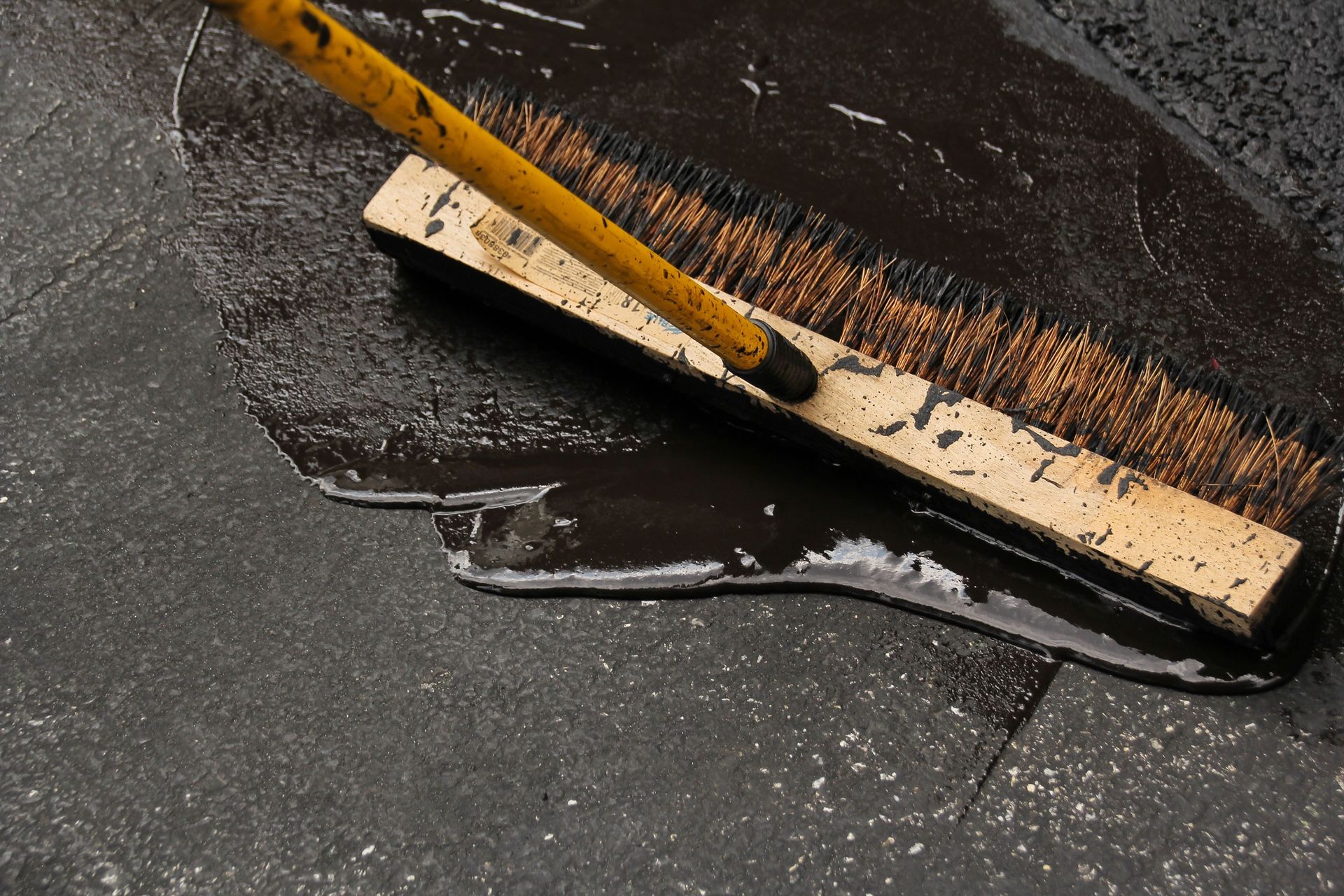
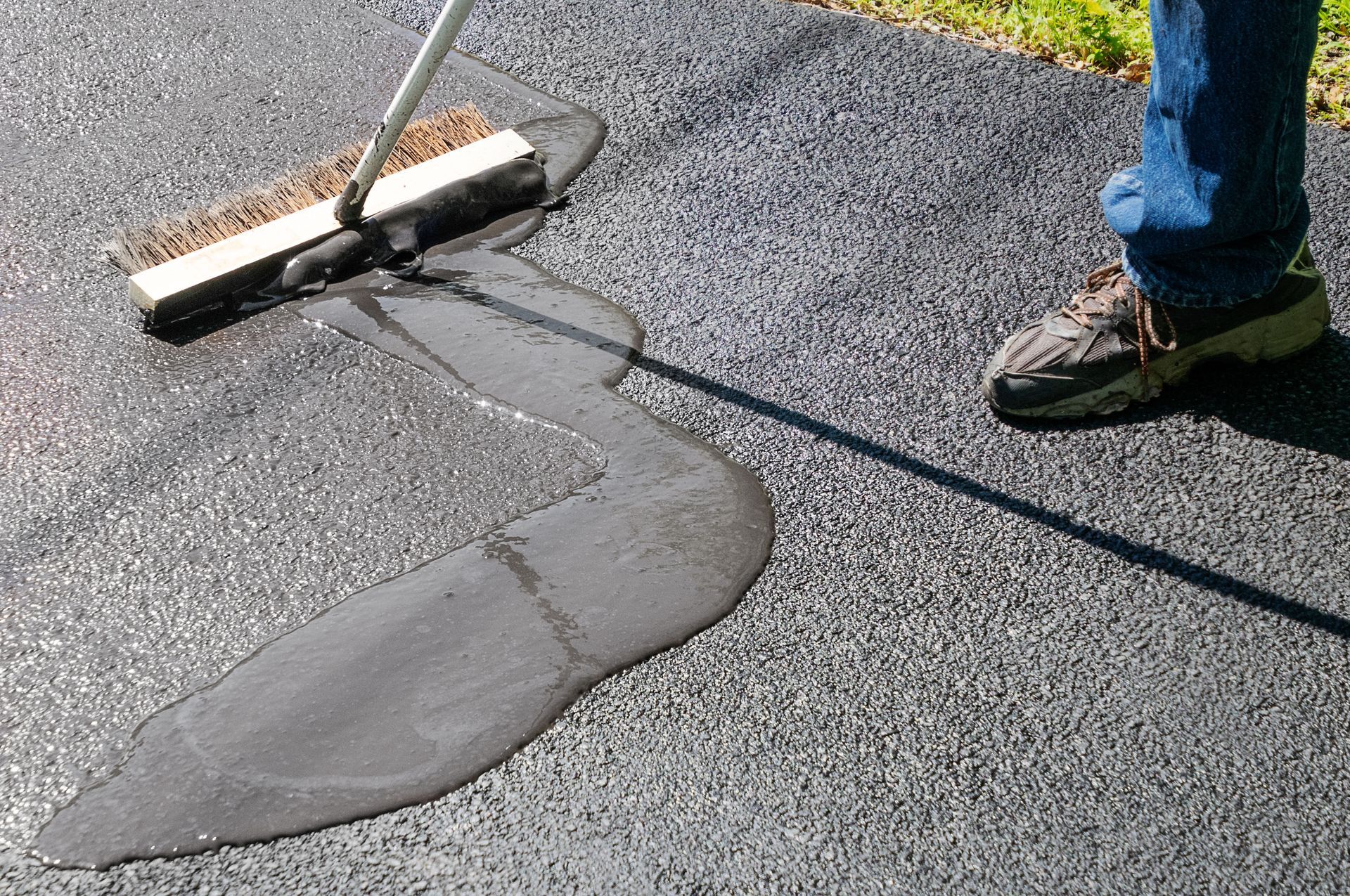
Sealcoating refers to the process of applying a protective layer to asphalt pavements. This layer is designed to protect the asphalt from damage caused by water, oils, and ultraviolet rays. The primary purpose of sealcoating is to enhance the durability of the pavement by preventing oxidation and damage from exposure to harsh weather conditions. In essence, sealing acts as a shield, preserving the structural integrity of the asphalt while also enhancing its appearance. Regular application of sealcoat is crucial to maintaining the longevity and aesthetics of asphalt surfaces.
While both sealcoating and resurfacing serve to maintain asphalt pavements, they are distinct processes with different purposes. Pavement sealing is a preventative maintenance technique aimed at protecting and preserving existing asphalt. It involves adding a thin protective layer over the surface. Resurfacing, on the other hand, involves removing the top layer of asphalt and replacing it with a new layer. This process is usually employed when the asphalt is significantly degraded and requires structural improvement. Understanding these differences is vital for property owners to choose the appropriate maintenance strategy for their pavements.
Sealcoating provides numerous benefits, making it a crucial and popular practice for preserving asphalt pavements. According to Market Research Future, the U.S. seal coat market size was estimated at around $3.27 billion in 2024, driven by the increasing need to protect asphalt pavements from damage caused by oxidation, water infiltration, and ultraviolet radiation. It acts as a barrier against oxidation, which is a primary cause of asphalt deterioration. Sealing the pavement prevents air and sunlight from breaking down the asphalt components. Additionally, sealing protects against water infiltration, which can cause potholes and cracks. An aesthetically pleasing result is another benefit, as sealcoating gives the pavement a rich, dark finish, enhancing curb appeal and property value.
Considering Weather and Seasonal Factors
Temperature plays a crucial role in the effectiveness of the sealcoating process. Our experts suggest warm temperatures between 50°F and 85°F are ideal for applying sealcoat, facilitating quick drying and curing. Extremely high temperatures, however, can lead to rapid evaporation, causing the sealant to set improperly and crack. On the other hand, cold temperatures slow down the drying process, making the sealcoat less effective and more susceptible to damage. Monitoring weather forecasts and scheduling applications during optimal temperature conditions helps achieve better sealcoat adhesion and longevity. Additionally, understanding local climate patterns allows for planning multiple coats if necessary to maintain long-term pavement protection.
Moisture and humidity levels must be considered before beginning a sealcoating project. High humidity can lengthen the drying and curing time, delaying project completion and increasing the risk of dust and debris sticking to the sealcoat. Rain or unexpected moisture during application can wash away the sealcoat, requiring a reapplication. It's important to have a completely dry surface before starting and to choose days with low humidity for the best results. Proper assessment of moisture and humidity factors helps achieve a robust and lasting sealcoat finish. Taking these precautions also minimizes the likelihood of uneven coverage, which can compromise both appearance and performance.
Different seasons present unique challenges and advantages for sealcoating applications. The summer months typically offer the most suitable conditions, with consistent warm weather that accelerates drying times. However, excessive heat can also increase volatility, necessitating fast-paced application to avoid setting before even coverage. Spring and fall may offer moderate temperatures, but they often bring unpredictable weather patterns that can disrupt the process. Winter is generally unsuitable, as cold temperatures and snowfall impede application and curing. Pavement sealing should be effectively scheduled to coincide with favorable seasonal conditions for optimal outcomes. Planning applications around seasonal trends helps maximize durability and reduces the need for frequent maintenance or touch-ups.
Choosing the Right Sealcoat Product
Choosing the right sealcoat product requires an understanding of the various ingredients used in sealcoats. Asphalt emulsion sealers are popular for their eco-friendliness and adaptability to various climates. Coal tar emulsion sealer, while more resilient to fuel and oil spills, is less environmentally friendly. Acrylic sealers are high-performance options that provide excellent UV protection and aesthetic appeal. Each type of sealcoat ingredient has unique advantages, and selecting the appropriate one depends on the pavement's specific needs and environmental conditions. Considering the expected traffic load and exposure to weather can also help determine which product will provide the longest-lasting protection.
Understanding manufacturer specifications is a vital step in choosing a suitable sealcoat product. Specifications typically provide insight into the product's composition, drying and curing times, and recommended application techniques. Comparing these specifications helps in determining which product aligns best with the project requirements. It's also important to consider the manufacturer's reputation for quality and reliability. Following these guidelines carefully helps prevent premature failure or damage to the pavement, saving time and costs over the long term.
The environmental impact of sealcoat products is an important factor in the selection process. Some sealcoats contain volatile organic compounds (VOCs) that can be harmful to the environment. Opting for low-VOC or VOC-free products helps reduce the ecological footprint of sealcoating projects. Reflective sealcoats offer environmental benefits by reducing urban heat islands, lowering local temperature, and contributing to energy conservation. Taking environmental factors into account ensures that your pavement maintenance aligns with broader sustainability goals and community safety standards.
Maintaining and Upkeep
Regular pavement inspection is essential for maintaining sealcoated surfaces. Routine checks help identify early signs of wear, damage, or potential issues that could escalate if left untreated. Inspections typically include evaluating the appearance of the sealcoat, checking for cracks, and monitoring surface texture. Conducting these assessments allows property owners to plan timely repairs and reapplications, preventing extensive damage. Regular inspections are fundamental to extending the lifespan of sealcoated surfaces and supporting proactive maintenance strategies.
Professional recommendations on sealcoat reapplication schedules are integral to maintaining the surface's protective qualities. Our experts find sealcoating typically needs reapplication every 2-3 years, depending on pavement condition, climate, and traffic frequency. Adhering to these schedules ensures continuous protection against environmental elements and maintains the aesthetic appeal. Skipping reapplication can result in accelerated wear and higher repair costs over time. Consistent scheduling of sealcoat reapplications provides ongoing protection and contributes to the pavement's longevity.
Ensuring the longevity of sealcoated pavements involves implementing preventive measures. Regular cleaning to remove debris and oil residues helps preserve the sealcoat's quality. Conducting immediate repairs of any surface imperfections prevents minor issues from developing into costly problems. Additionally, parking lot striping and markings should be refreshed periodically to maintain functional and safety standards. Implementing these preventive actions complements sealcoating's protective role and enhances the durability of asphalt surfaces.
Sealcoating is integral to the strategy of pavement preservation, offering protective benefits that enhance durability and appearance. Its role in preventing damage from oxidation, water infiltration, and UV exposure underscores its importance. By maintaining the integrity of asphalt pavements through regular sealcoating, property owners realize economic advantages, environmental benefits, and improved property valuations. This preventative maintenance practice is vital to achieving long-lasting, aesthetic, and sustainable asphalt surfaces, proving indispensable in modern infrastructure management. Contact our team at Seal Tech today to schedule your free estimate and protect your pavement with expert sealcoating services.
Share On: