How Local Concrete Companies Support Long-Term Pavement Health
Deciding whether to extend the lifespan of an aging cooling unit or invest in a brand-new system remains a frequent dilemma for modern property owners. Many people tend to delay this critical evaluation until a complete mechanical breakdown occurs during the peak heat of summer. Navigating these unexpected climate control emergencies often results in rushed decisions that may not align with your long-term financial goals. Fortunately, assessing a few foundational performance indicators can bring complete clarity to your systemic heating and ventilation choices.
Property owners should establish a structured evaluation process that balances upfront capital expenditures with ongoing monthly operational overhead. Consulting with a certified professional ensures that minor underlying issues are not misdiagnosed as terminal systemic failures. Ultimately, taking a proactive approach to your home environment secures a more consistent indoor climate and protects your broader real estate investments. Working through a standardized set of comparison metrics will empower you to choose the most efficient path forward for your household.
Analyzing System
Strong and reliable pavement plays a major role in the safety, appearance, and functionality of residential and commercial properties. Cracked surfaces, drainage problems, and uneven concrete can quickly create expensive maintenance concerns when installations are not handled properly from the beginning. Property owners often overlook how much planning and technical preparation go into building pavement that can withstand years of traffic and changing weather conditions.
Working with local concrete companies gives homeowners and businesses access to professionals who understand regional soil conditions, environmental challenges, and municipal requirements. Skilled contractors focus on long-term durability instead of temporary cosmetic improvements that fail after a short period of use. Their experience allows them to recommend proper materials, thickness levels, reinforcement methods, and maintenance schedules that improve structural longevity. Investing in quality pavement construction today can help property owners avoid repeated repairs and preserve the overall value of their investment for many years.
Preparing Stable Foundations
Every successful pavement project begins with careful preparation beneath the visible concrete surface. Contractors must evaluate the soil composition and determine whether grading or compaction adjustments are necessary before pouring concrete. Poorly prepared foundations can shift over time, causing cracks, dips, and uneven surfaces that create safety hazards for pedestrians and vehicles.
Experienced local concrete companies understand how local weather patterns and moisture conditions affect the stability of pavement foundations throughout the year. They use specialized equipment to compact the ground properly and reduce the likelihood of premature movement after installation. Reliable contractors also install appropriate base materials that improve drainage and support the weight of daily traffic loads. Taking the time to create a stable foundation significantly extends pavement life while reducing the risk of future structural failures.
Installing Proper Drainage Systems
Water management is one of the most important factors influencing long-term pavement health and structural performance. Standing water can slowly weaken concrete surfaces by penetrating small openings and expanding during temperature fluctuations. Contractors carefully design pavement slopes and drainage pathways to direct rainwater away from driveways, sidewalks, and parking lots.
Effective drainage planning helps minimize erosion beneath the pavement and prevents water from pooling around nearby structures. Many local concrete companies also evaluate surrounding landscaping to ensure runoff patterns will not interfere with the finished surface over time. Proper drainage systems contribute to safer walking and driving conditions by reducing slippery areas and minimizing surface deterioration. Addressing water control during installation protects the pavement investment and lowers the need for costly repairs later.
Selecting Durable Concrete Materials
Choosing the right concrete mixture plays a major role in determining how well pavement performs over time. Different properties require varying levels of strength depending on expected traffic loads, environmental exposure, and daily use patterns. Contractors often recommend reinforced concrete mixtures that provide additional resistance against cracking and surface wear.
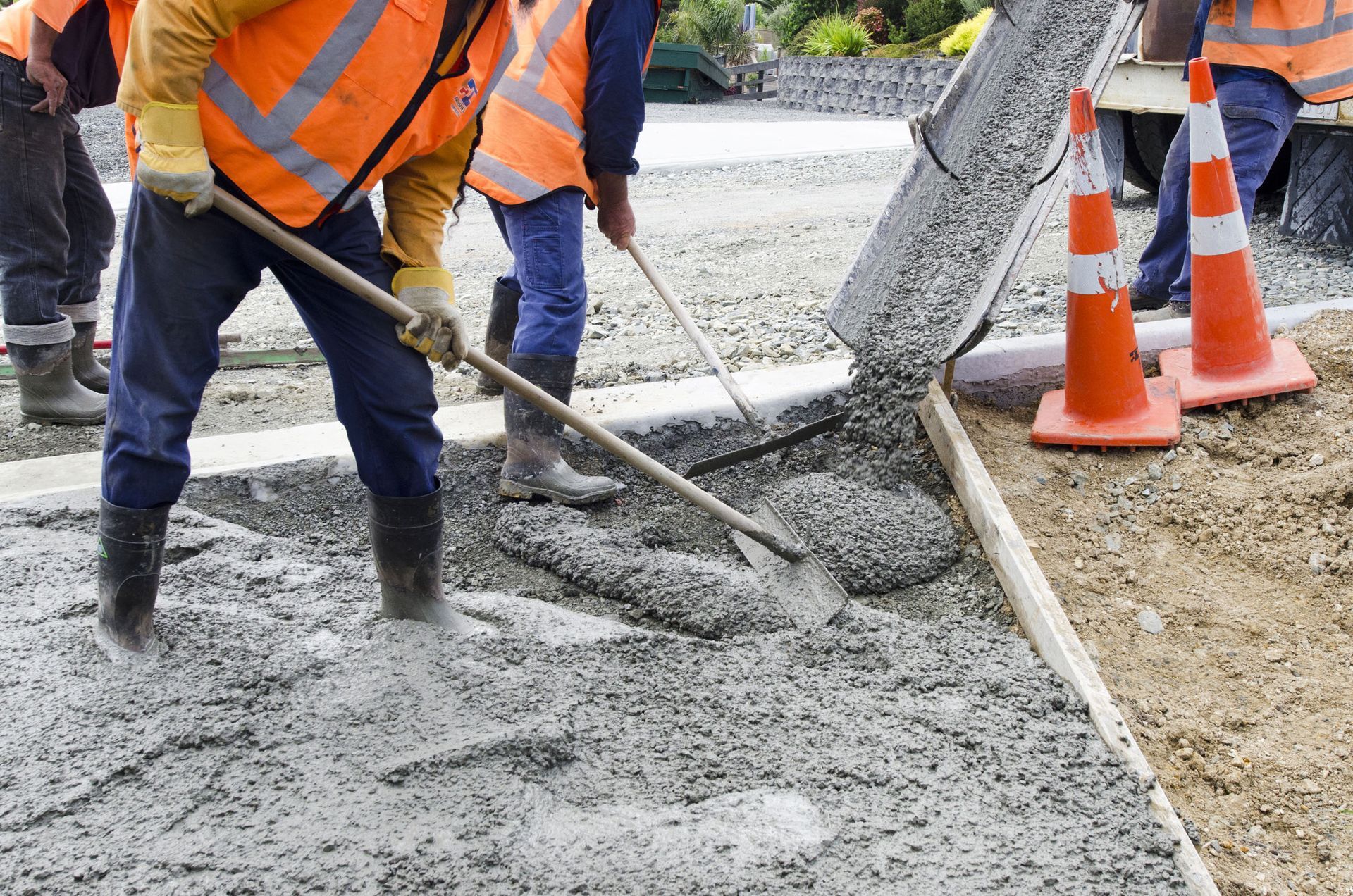
According to Home Guide, property owners should estimate an extra 5% to 10% of concrete material to account for spills and unavoidable waste during installation. This planning approach helps ensure projects are completed without interruptions that could affect consistency and structural integrity. Professional local concrete companies carefully measure and mix materials to maintain proper curing conditions and long-lasting performance. High-quality materials combined with precise installation techniques create pavement surfaces capable of withstanding years of continuous use.
Performing Consistent Maintenance Services
Even well-constructed pavement requires regular maintenance to preserve its appearance and structural condition over time. Small cracks and surface imperfections can quickly expand when they are ignored and exposed to moisture or heavy traffic. Contractors often recommend periodic inspections to identify early warning signs before extensive damage develops.
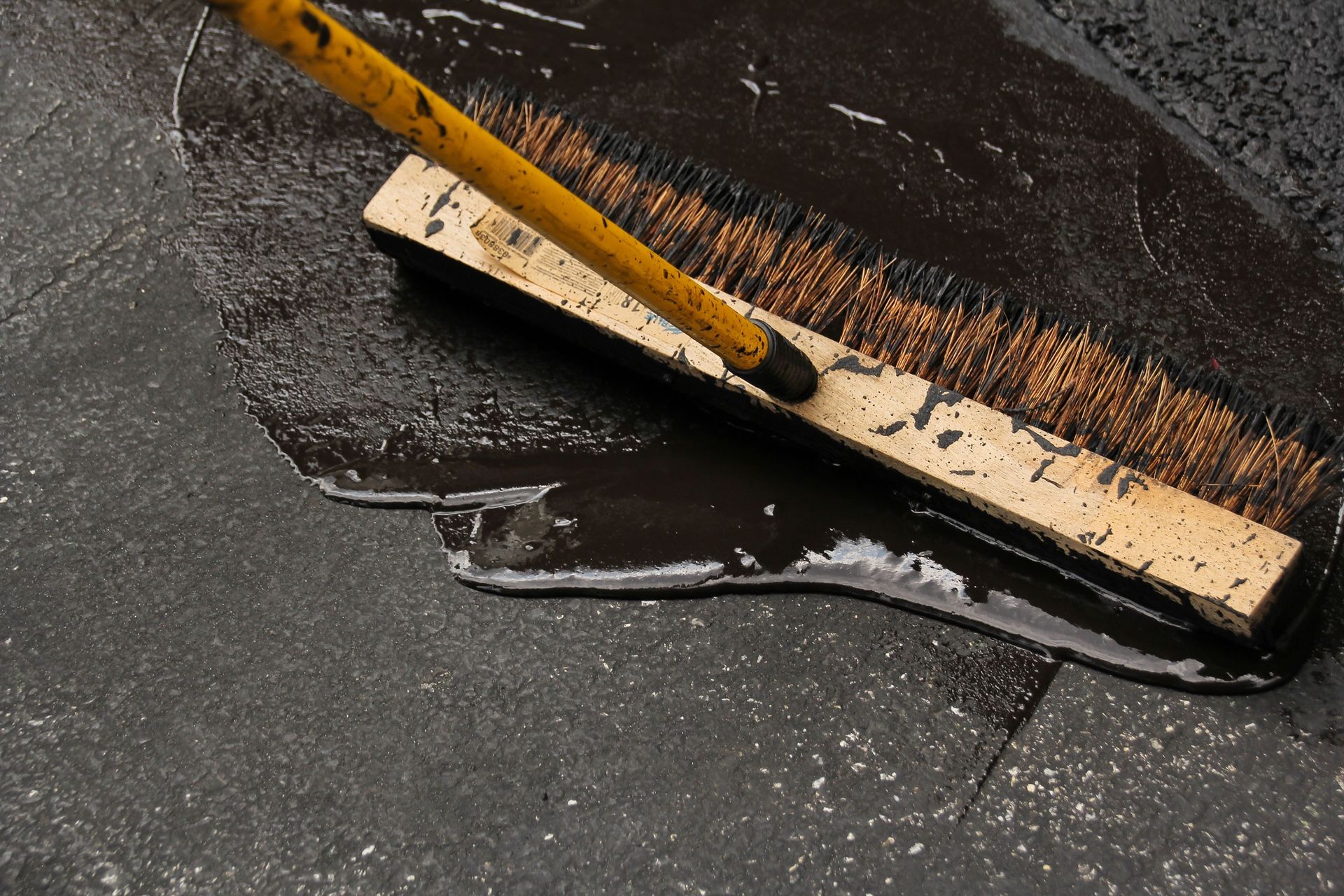
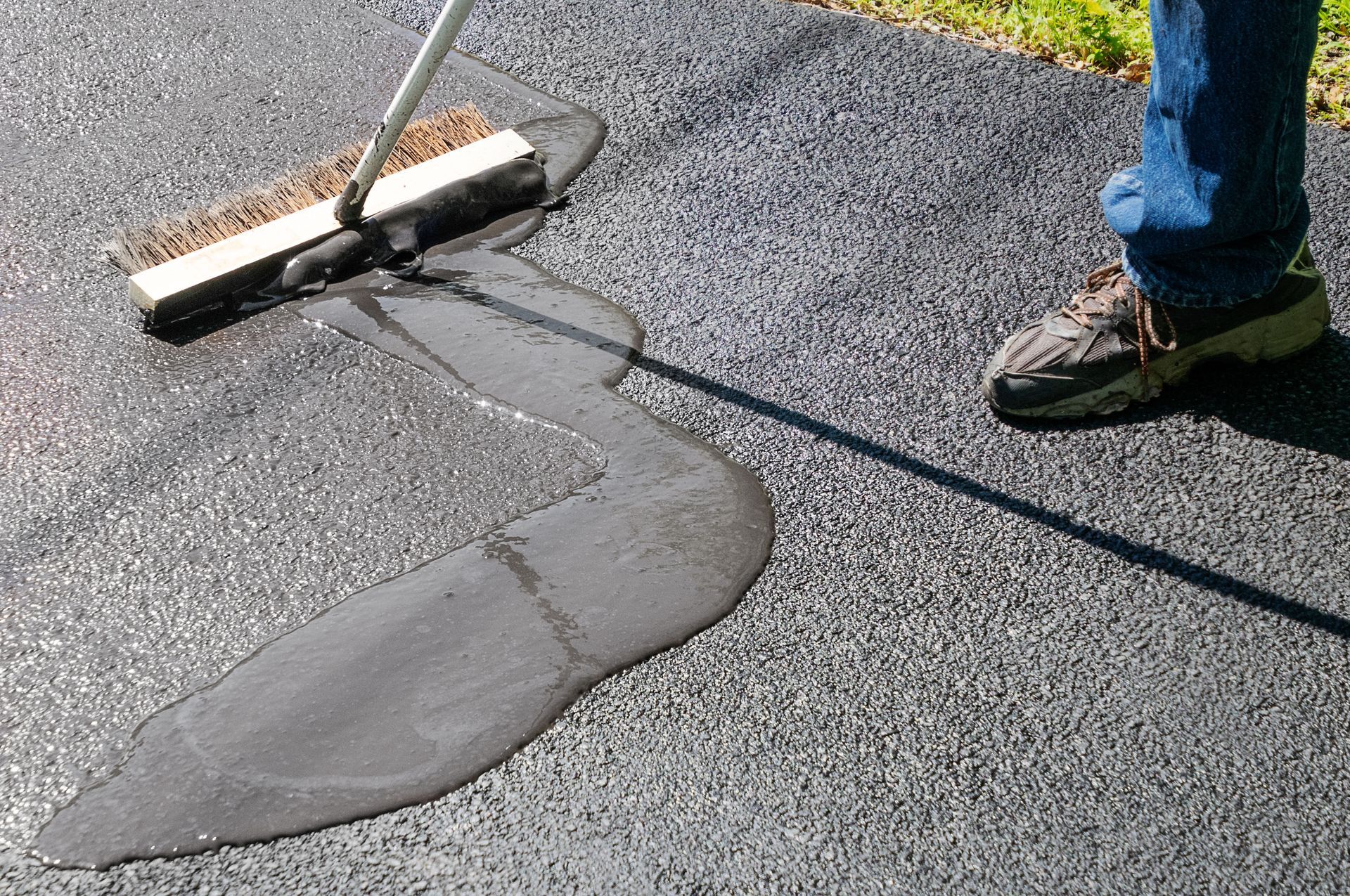
Sealing concrete surfaces helps reduce water penetration while protecting against stains, chemicals, and environmental wear. Experienced local concrete companies provide maintenance schedules tailored to the needs of residential driveways, commercial parking lots, and industrial surfaces. Timely cleaning and repair services also improve curb appeal and contribute to a more professional property appearance. Routine maintenance extends pavement lifespan and allows property owners to maximize the value of their original installation investment.
Reinforcing High-Traffic Areas
Areas exposed to heavy vehicles or frequent foot traffic require additional reinforcement to maintain long-term structural stability. Pavement near loading zones, commercial entrances, and busy driveways experiences constant pressure that can weaken surfaces over time. Contractors often install reinforcement materials such as rebar or wire mesh to improve strength and reduce the likelihood of cracking.
Strategic reinforcement helps distribute weight evenly across the pavement and prevents stress concentrations from damaging the concrete. Skilled local concrete companies evaluate traffic patterns carefully before recommending the best reinforcement methods for each property. They also consider future growth or usage increases that may place additional demands on the pavement in the coming years. Reinforced concrete surfaces remain safer, smoother, and more reliable under continuous daily use.
Applying Modern Installation Techniques
Advancements in construction methods have significantly improved the durability and efficiency of modern pavement installations. Contractors now use specialized tools and equipment that allow for more precise leveling, finishing, and curing processes. Proper curing is especially important because it determines how well the concrete hardens and develops long-term strength. Inadequate curing can leave pavement vulnerable to early cracking, discoloration, and surface deterioration.
Many local concrete companies stay updated on industry innovations that improve installation accuracy and reduce the risk of future problems. Modern finishing techniques also enhance the appearance of pavement while creating smoother and more slip-resistant surfaces. Combining advanced technology with skilled craftsmanship leads to stronger pavement systems that perform effectively for many years.
Supporting Long-Term Property Value
Well-maintained pavement contributes significantly to the overall appearance and value of a residential or commercial property. Cracked or deteriorating surfaces can create negative first impressions and signal potential maintenance concerns to visitors or prospective buyers. Smooth and professionally installed concrete surfaces improve accessibility, safety, and visual appeal throughout the property. Property owners who invest in high-quality pavement often experience fewer repair expenses and lower long-term maintenance costs.
Reliable local concrete companies help clients protect these investments by offering expert guidance on installation practices and preventative care strategies. Their understanding of regional environmental conditions allows them to recommend durable solutions that perform well under local climate challenges. Choosing skilled contractors for pavement projects ultimately supports both immediate functionality and long-term property preservation. Additionally, proactive pavement care helps property owners avoid unexpected repair costs while maintaining a safer and more attractive environment year-round.
Maintaining durable pavement requires more than simply pouring concrete and hoping it lasts for decades without attention. Proper preparation, drainage planning, reinforcement, and ongoing maintenance all contribute to the long-term health and appearance of concrete surfaces. Working with knowledgeable local concrete companies allows property owners to benefit from professional expertise that improves structural reliability and reduces future repair concerns. From selecting quality materials to applying modern installation methods, experienced contractors focus on building pavement systems designed for longevity and performance.
Preventive care and routine inspections also play a vital role in preserving the integrity of concrete surfaces over time. When property owners invest in professional workmanship, they gain safer surfaces, stronger curb appeal, and greater confidence in the durability of their pavement. If you are ready to improve the strength and lifespan of your concrete surfaces, contact Seal Tech today to learn how our experienced team can deliver dependable pavement solutions tailored to your property needs.
Age Limitations
The physical age of your current cooling equipment serves as the primary benchmark when evaluating structural viability. Most conventional cooling systems are engineered to operate efficiently for approximately ten to fifteen functional seasons before internal components experience terminal degradation. If your unit is rapidly approaching or has already surpassed this chronological milestone, continuous maintenance often yields diminishing financial returns. A professional air conditioning contractor can perform a comprehensive diagnostic inspection to determine the true wear and tear on your internal compressors and coils.
Newer models offer significantly advanced technological configurations that drastically outperform units manufactured just a decade ago. Furthermore, finding replacement components for legacy infrastructure becomes increasingly difficult and expensive as manufacturing standards evolve. Investing substantial capital into a system that has already reached its baseline life expectancy is frequently considered an inefficient allocation of household resources. Entrusting your evaluation to an experienced specialist will help you determine exactly where your equipment stands on this operational timeline.
Evaluating Accumulating Maintenance Expenses
Tracking the total volume of capital directed toward ongoing mechanical adjustments is essential for determining structural cost-effectiveness. A single minor fix might appear economically sound on the surface, but recurring service visits can quickly compromise your household budget. Property owners frequently apply a standard mathematical formula where a fix is rejected if it exceeds half the cost of a brand-new replacement system. A reputable air conditioning contractor can provide a comprehensive breakdown of required parts and labor to help inform this structural comparison.
You must also consider the hidden economic liabilities associated with repeated system downtime during extreme weather events. If your localized climate control infrastructure requires multiple emergency interventions each season, the underlying reliability of the machine has been fundamentally compromised. Transitioning toward a modern, fully warrantied system effectively eliminates these unpredictable operational expenses and restores complete peace of mind. Prioritizing long-term structural value over temporary quick fixes remains the hallmark of sensible property management.
Comparing Monthly Energy Efficiencies
The underlying energy consumption metrics of your existing equipment dictate your ongoing monthly utility financial obligations. Older residential units typically operate under outdated efficiency ratings that require substantially more electrical power to meet basic cooling demands. Modern mechanical systems utilize advanced variable-speed technology and superior engineering designs to optimize total power consumption profiles.
When a certified air conditioning contractor evaluates your home, they can calculate the exact performance improvements a new high-efficiency system would deliver. These advanced configurations drastically lower your seasonal carbon footprint while simultaneously providing immediate relief on your monthly electrical bills. The accumulated savings generated by a highly efficient system can frequently offset the initial purchase price over a relatively short multi-year timeline. Continuing to operate an inefficient machine essentially forces you to pay a premium for substandard climate control performance. Upgrading your physical infrastructure transforms a continuous monthly drain into a structured opportunity for long-term household savings.
Reviewing Interior Climate Comfort
Consistent indoor air distribution and precise climate regulation are fundamental components of an enjoyable and healthy home environment. Aging mechanical systems frequently struggle to maintain uniform thermal conditions throughout different zones of a residential structure. You might notice distinct hot spots in specific rooms or find that the equipment operates continuously without ever reaching your targeted thermostat settings.
An experienced air conditioning contractor possesses the specialized diagnostic tools necessary to differentiate between minor ductwork blockages and major system capacity deficits. Furthermore, an underperforming cooling unit often fails to adequately regulate indoor humidity levels, leading to a stagnant and uncomfortable living atmosphere. Excessive interior moisture can eventually encourage mold growth and degrade the structural integrity of your internal building materials. Replacing an obsolete system with a properly scaled modern alternative completely restores balanced airflow and optimal humidity management across your entire floor plan. True residential comfort requires an infrastructure capable of responding dynamically to fluctuating outdoor environments.
Assessing Environmental Refrigerant Compliance
The specific chemical compounds utilized within your cooling equipment play a significant role in determining future servicing viability. Older residential systems rely heavily on historical refrigerants that have been systematically phased out due to strict environmental protection mandates. Because the production and importation of these legacy chemical compounds are completely restricted, the remaining domestic supply is exceptionally scarce and expensive. A licensed air conditioning contractor can identify whether your system is tied to these obsolete chemical frameworks during a standard maintenance review.
If your legacy unit develops a significant refrigerant leak, the financial cost of sourcing compliant fluids can easily rival the price of a modern system. Modern cooling units utilize eco-friendly, highly optimized chemical media that are readily available across all standard supply chains. Transitioning away from restricted chemical compounds protects you from hyper-inflationary maintenance costs and aligns your property with modern ecological standards. Upgrading ensures that your home remains fully serviceable without relying on dwindling stockpiles of prohibited manufacturing resources.
Measuring Home Equipment Reliability
A highly reliable climate control framework should operate seamlessly in the background without requiring constant monitoring or intervention from the homeowner. When a system begins to exhibit signs of systemic instability, the accompanying mental stress and physical discomfort can disrupt daily household operations. Experiencing an unexpected mechanical failure during a prolonged heatwave presents distinct health risks, particularly for vulnerable family members or household pets. A qualified air conditioning contractor can evaluate the structural integrity of your electrical arrays, fan motors, and mechanical relays to predict future reliability scores.
If your current equipment consistently triggers electrical breakers or produces unusual auditory feedback, major internal components are likely on the verge of complete failure. Relying on an unpredictable machine leaves your home perpetually exposed to sudden environmental disruptions and volatile emergency service premiums. Investing in a brand-new, modern installation establishes a foundation of absolute dependability that carries your household safely through every seasonal peak. Dependable performance gives homeowners greater confidence that their cooling system will continue operating efficiently during periods of extreme outdoor temperatures.
Analyzing Broader Industry Trends
Understanding systemic usage patterns across the country underscores the essential nature of dependable home cooling infrastructure in modern society. Reliable climate management is no longer viewed as a luxury item but rather as a foundational element of safe and functional residential architecture. According to analytical data collected by Workyard, approximately nine out of 10 residential properties throughout the United States now rely on active cooling systems to maintain habitable interior spaces. This massive societal reliance emphasizes the immense importance of keeping your personal climate infrastructure in peak operational condition throughout the changing seasons.
Memphis Air Conditioning & Heating stands fully prepared to assist you in navigating every single phase of your residential heating and cooling evaluations. Our experienced technicians deliver comprehensive diagnostics, clear equipment comparisons, and flawless installation services designed to maximize your long-term comfort and economic efficiency. Contact our team to speak with an exceptional air conditioning contractor today and experience the unparalleled peace of mind that comes with a perfectly optimized home climate system.
Share On: