The Importance of Experience and Licensing in Concrete Companies
Concrete serves as the essential foundational element for modern infrastructure, supporting everything from residential driveways to commercial high-rise structures. Selecting qualified construction professionals for structural building tasks represents a critical decision for property owners seeking long-lasting results. Hiring established concrete companies ensures that building projects meet essential structural requirements while navigating complex jobsite environmental conditions. Choosing a reliable construction team directly influences overall build quality, timeline adherence, structural longevity, and financial value for property owners. Navigating the construction process demands a clear understanding of what distinguishes exceptional structural contractors from inexperienced operators.
Understanding the Core Aspects of Concrete Work
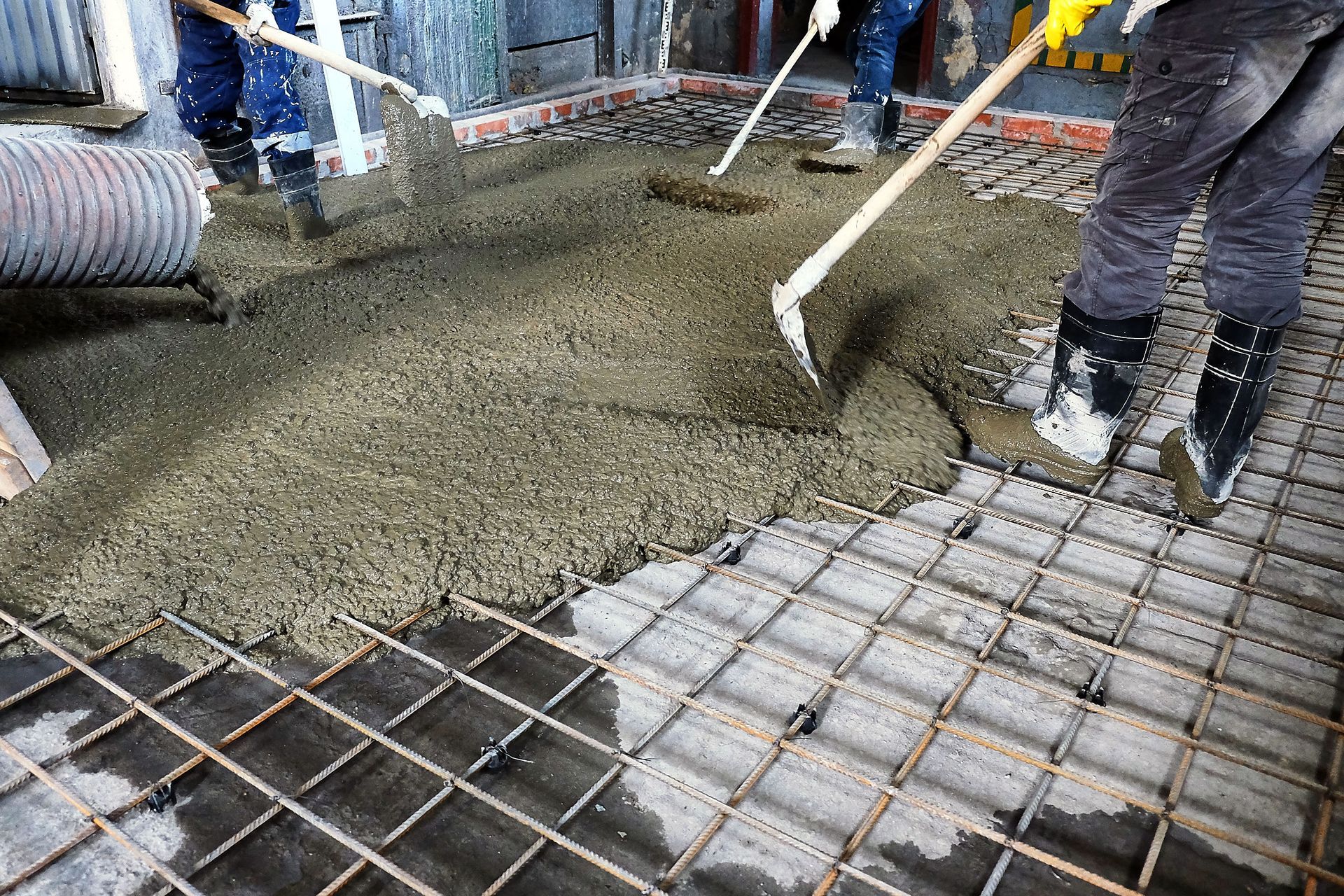
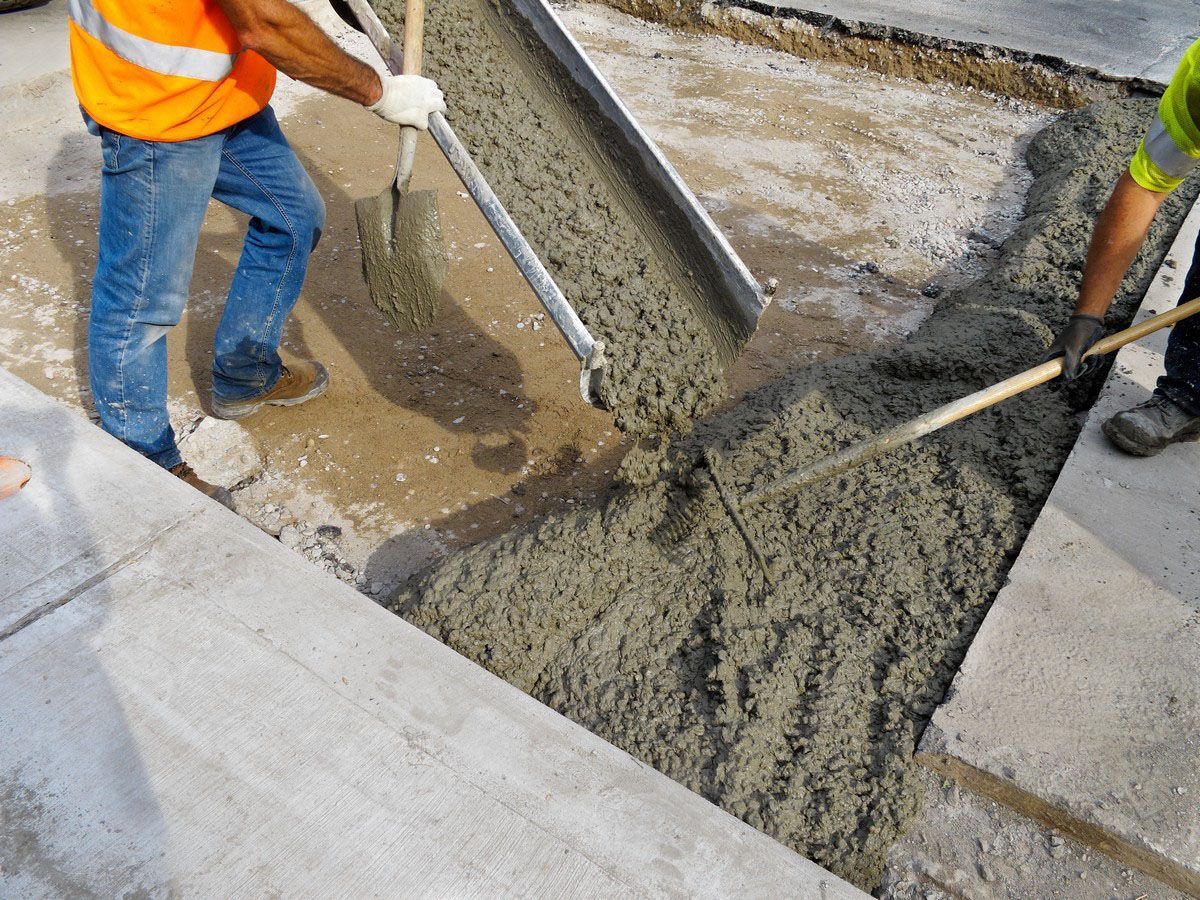
Concrete construction encompasses a wide variety of project types, each presenting unique physical demands, structural calculations, and technical execution requirements. Residential driveways, patio installations, commercial foundation slabs, and multi-story structural frames each require specialized approaches regarding preparation, pouring, and finishing techniques. Managing these diverse applications effectively requires a thorough understanding of underlying soil conditions, weight distribution, structural reinforcement, and regional climate factors. Skillful contractors must tailor methodologies to match unique site specifications, ensuring the finished concrete structure withstands heavy daily wear, soil shifting, and environmental stress.
Mastering concrete construction requires specialized manual skills, technical precision, and working knowledge of modern construction machinery. Workers must accurately mix, pour, compact, and cure materials to prevent issues like surface cracking, structural sagging, or premature material deterioration. Reading complex engineering blueprints and controlling environmental variables like ambient temperature and moisture levels are essential steps throughout installation. Advanced technological tools, computer-aided design software, and specialized finishing machinery further enhance precision across all construction phases. Professional concrete companies adapt to these technical demands to deliver high-performing results that consistently satisfy engineering standards.
Evaluating the Power of Industry Experience
Experienced contractors bring invaluable practical knowledge to every job site, helping streamline daily operations and prevent expensive construction delays. Seasoned professionals can anticipate potential site challenges, such as unstable subgrade soil or sudden weather shifts, before major operational disruptions occur. Their established working relationships with local material suppliers and municipal building inspectors facilitate efficient material procurement and prompt project sign-offs. Relying on experienced construction teams gives property owners genuine confidence that unforeseen obstacles will be managed with calm expertise, efficiency, and technical precision.
While newer contractors may bring enthusiasm to the market, practical field experience remains irreplaceable when navigating complex structural challenges. Veteran trade workers have refined decision-making processes through years of hands-on problem-solving and real-world project execution. Formal mentorship programs within seasoned construction crews help pass down practical wisdom, effectively bridging the gap between theoretical learning and field execution. This cumulative field experience instills deep customer confidence, reassuring clients that financial investments rest in capable, proven hands throughout every phase of construction.
Verifying Proper Credentials and Licensing
Licensing regulations exist to establish mandatory standards of technical competency, jobsite safety, and legal compliance across the building sector. Obtaining a formal contractor license requires passing comprehensive written examinations, demonstrating extensive verifiable work history, and providing proof of adequate insurance coverage. According to Statista, key states such as Texas, Missouri, California, and Florida dominated national cement production in 2024 by generating nearly 43% of the total output in the United States. Working with licensed concrete companies guarantees that local building codes, regional safety standards, and structural guidelines are strictly honored on every project.
Hiring unlicensed operators exposes property owners to significant legal liabilities, jobsite safety risks, and potential financial losses. Projects completed without proper municipal oversight may violate local building codes, resulting in costly tear-outs, severe municipal fines, or halted construction. Valid licensing serves as a vital safeguard against contractor negligence, ensuring that companies carry essential general liability insurance and workers' compensation coverage. Thoroughly verifying contractor credentials before signing binding construction agreements protects valuable financial investments and ensures building processes comply with state regulations.
Maintaining Stringent Quality and Safety Standards
Workplace safety remains a foundational priority in concrete construction, requiring strict protocols to protect crew members, site visitors, and surrounding property. Reliable contractors strictly enforce personal protective equipment use, conduct comprehensive daily jobsite inspections, and maintain rigorous equipment safety guidelines. Implementing routine safety audits helps field supervisors identify potential hazards and update operational procedures continuously. A strong organizational culture of workplace safety minimizes site accidents, reduces project downtime, and ensures smooth operational progress from initial excavation through final cleanup.
Long-term quality control relies heavily on rigorous raw material testing and meticulous attention to detail throughout project execution. Contractors must systematically verify concrete mix ratios, slump levels, and compressive strength metrics to ensure structural integrity over decades of continuous use. Independent site inspectors play a crucial role by auditing critical construction milestones, from initial formwork alignment to final surface troweling. Reputable concrete companies implement comprehensive internal quality management systems, collaborating effectively with third-party inspectors to ensure every material pour meets elevated industry standards.
Selecting the Right Contractor for Your Project
Choosing a fully qualified contractor requires thorough background research and careful evaluation of past project portfolios. Prospective clients should take time to verify active licensing status, inspect insurance documentation, and review professional trade association affiliations. Carefully reviewing previous work samples allows property owners to evaluate overall craftsmanship, aesthetic versatility, and structural consistency across different build types. Evaluating prospective concrete companies requires asking detailed questions about projected timelines, communication practices, and established contingency plans for handling unexpected project delays or material shortages.
Customer reviews and direct client references provide unfiltered insight into a contractor's true reliability, work ethic, and professional conduct on site. Speaking directly with past clients helps uncover how effectively a company manages project budgets, adheres to schedules, and handles unexpected structural challenges. Prominent red flags such as vague written estimates, requests for large upfront cash payments, or reluctance to provide verifiable references should prompt immediate caution. Conducting comprehensive background evaluations ensures property owners partner with ethical, transparent professionals who deliver exceptional craftsmanship and durable long-term value.
Embracing Modern Innovations and Industry Trends
The concrete industry continues to evolve rapidly through technological breakthroughs that improve structural efficiency, material durability, and environmental sustainability. Innovations such as self-healing concrete formulations and high-performance material composites are transforming standard building practices across commercial and residential sectors. Advanced digital management tools allow project managers to track delivery schedules, monitor material curing rates, and optimize resource allocation seamlessly on site. Staying informed about cutting-edge developments empowers progressive contractors to offer superior building solutions that meet evolving structural demands.
Environmental responsibility has become a major focus, driving widespread adoption of eco-friendly concrete mixes and material recycling practices. Reducing carbon emissions during material manufacturing helps create sustainable building solutions that align with modern green building standards. Seasoned contractors leverage practical knowledge to integrate these sustainable material technologies without compromising structural strength or long-term durability. Forward-thinking concrete companies continually refine operational practices to remain compliant with updated regulatory standards while supporting environmentally responsible development.
Prioritizing practical experience and proper licensing when selecting construction professionals guarantees high-quality craftsmanship, structural safety, and long-term peace of mind. Thoroughly evaluating contractor credentials, safety protocols, and past performance protects your valuable financial investment while ensuring seamless project execution. Choosing professional concrete companies is essential for bringing your structural building vision to life efficiently, safely, and dependably. Let us guide your next construction endeavor with unmatched expertise and professional dedication, so reach out to our team at Seal Tech today to start planning your concrete project.

Share On: